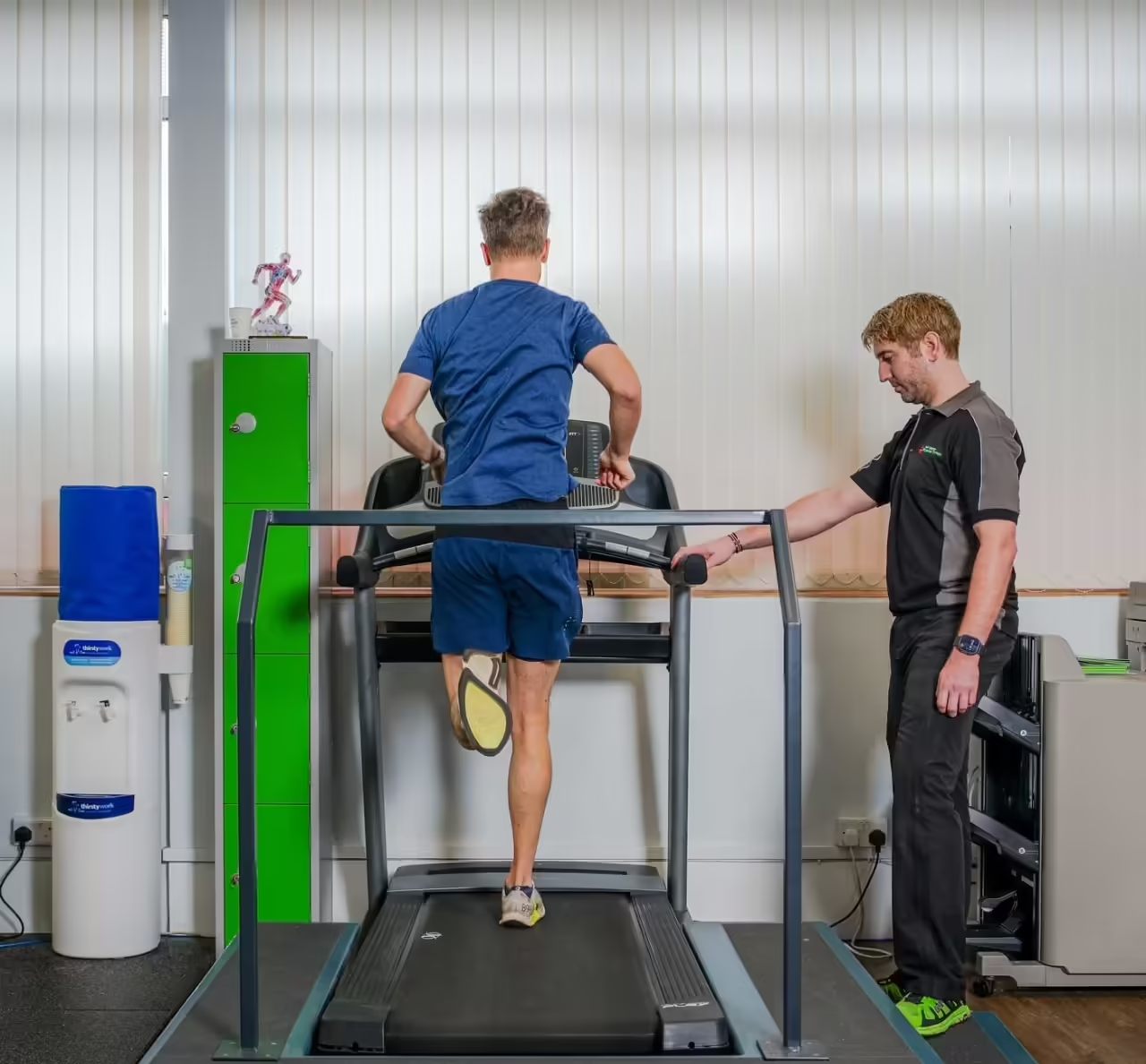
Running Injury Rehabilitation
At East Devon Physical Therapy, we help runners reduce pain, restore confidence and return to training with a clear, structured rehabilitation plan.
Running injuries can be frustrating, especially when they interrupt routine, goals and momentum. Some come on gradually as training load builds. Others flare after a change in mileage, pace, terrain, footwear or recovery. In many cases, the issue is not just the painful area itself, but how the body is coping with load over time.
Our role is to assess properly, explain clearly and build a treatment plan that helps you recover well and return to running with confidence.
Common running injuries we help with
We regularly help runners with problems such as:
- Achilles pain and Achilles tendinopathy
- Runner’s knee and patellofemoral pain
- Calf strains and hamstring strains
- Shin pain and overload-related lower limb injuries
- Foot and ankle pain
- Hip pain and gluteal tendinopathy
- Persistent niggles that keep returning when training increases
Not all running injuries are the same, which is why a detailed assessment is important.
Our approach to running injury rehabilitation
At East Devon Physical Therapy, we do not just focus on pain relief.
We look at what has changed, how your symptoms behave, how well your tissues are tolerating load, and what needs to improve to help you return to running safely.
Your treatment plan may include:
- A detailed running injury assessment
- Clear diagnosis and explanation
- Advice on activity modification and load management
- Strength and conditioning to improve resilience
- Mobility work where appropriate
- Targeted rehabilitation exercises
- Return-to-running progressions based on symptoms and tolerance
- Running technique input where relevant
- PBM laser therapy where clinically appropriate to help calm irritation and support recovery
- Access to AlterG where appropriate to support graded return to running
Our aim is to reduce pain, improve function and help you return to running in a way that feels sustainable, not rushed.
Why running injuries can keep coming back
Running injuries often become repetitive when pain settles but the underlying loading issue has not been addressed.
That might mean returning too quickly, not rebuilding strength properly, ignoring recovery, or repeating the same training pattern that caused the problem in the first place. Effective rehabilitation is not just about getting you through the next run.
It is about improving your capacity so you can tolerate training better over time.
Why choose East Devon Physical Therapy?
We combine expert clinical assessment with practical, evidence-based rehabilitation tailored to the individual runner.
Some people need help settling a recent flare-up. Others need a more structured plan to return to regular training, prepare for an event or rebuild confidence after repeated setbacks. We adapt treatment to the person in front of us rather than using a one-size-fits-all approach.
Our team focuses on honest advice, clear explanation and meaningful long-term improvement.
Common goals we help with
- Reduce pain when running
- Return to training safely
- Build strength and resilience
- Improve confidence after repeated flare-ups
- Prepare for a race or event without setbacks
- Understand why the injury happened and how to reduce the risk of it returning
What to expect
Your first appointment gives us time to understand your symptoms, training history and goals, assess the problem properly and identify the key factors contributing to it.
We will explain what we think is going on, what is likely to help and how to start moving things forward.
You will leave with a clear plan, not vague advice or generic exercises.
Running injury rehabilitation and our running course
For some runners, rehabilitation is not just about getting out of pain. It is also about improving confidence, technique, strength and long-term running capacity.
Where appropriate, your rehabilitation can link into our running course to help bridge the gap between injury recovery and more confident, sustainable running.