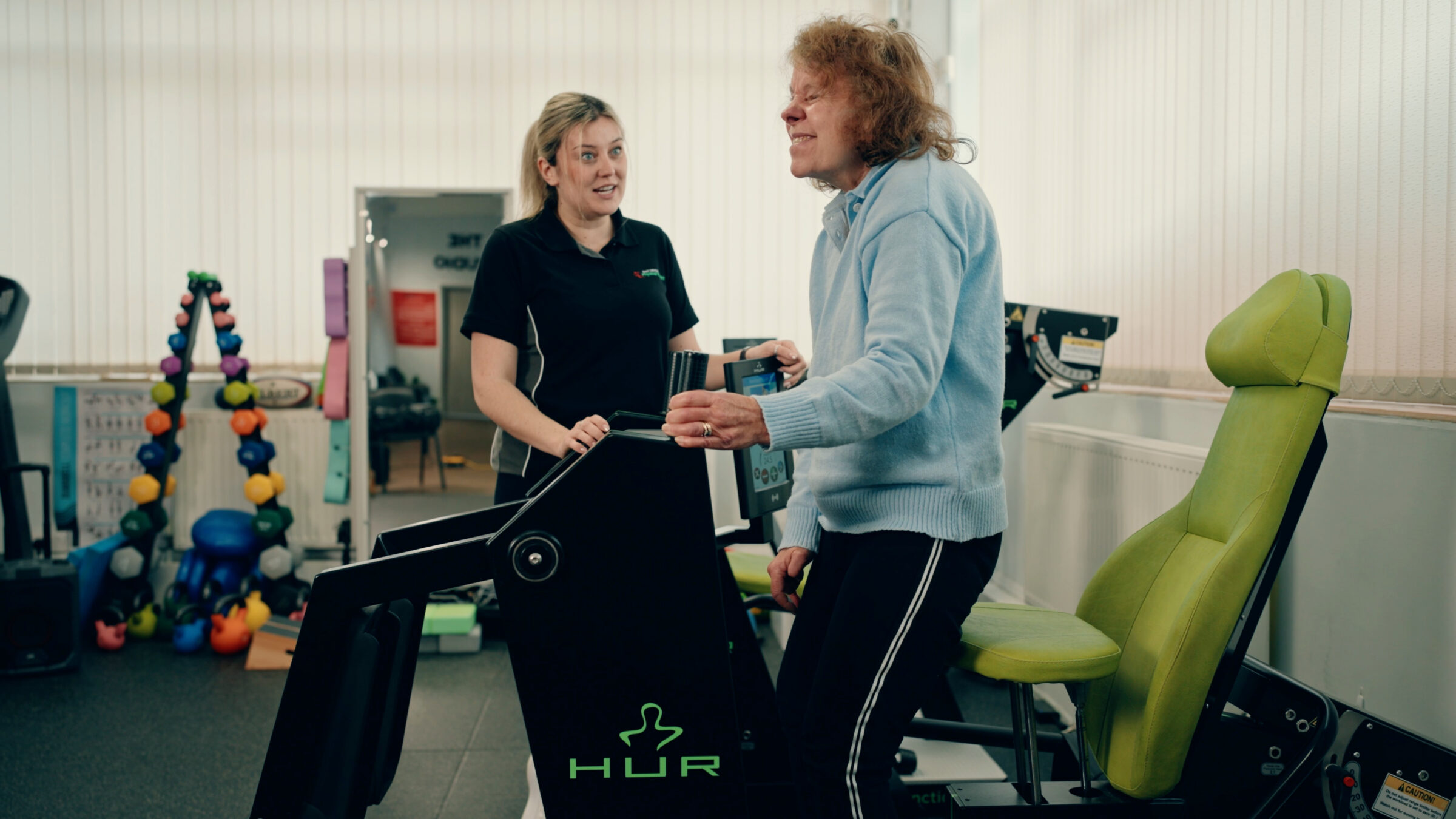
Parkinson’s Rehabilitation
At East Devon Physical Therapy, we support people living with Parkinson’s to keep moving, maintain confidence and stay as active and independent as possible.
Parkinson’s can affect people in different ways. For some, the biggest challenge is stiffness, slowness or reduced walking confidence. For others, it may be balance, fatigue, changes in movement quality or difficulty keeping up with everyday activities that used to feel easier.
Our role is to assess properly, understand what is affecting you most and build a rehabilitation plan that is practical, supportive and tailored to your needs.
Rehabilitation for people living with Parkinson’s
Living with Parkinson’s can feel unpredictable. Symptoms may vary from day to day, and changes in movement can gradually start to affect confidence, independence and quality of life.
Physiotherapy and rehabilitation can play an important role in helping you stay active, maintain physical function and work on the specific challenges that matter most to you.
At East Devon Physical Therapy, we focus on clear assessment, realistic goal setting and structured rehabilitation that supports both movement and confidence.
Who we help
We may be able to help if Parkinson’s is affecting:
- Walking speed or confidence
- Balance and stability
- Stiffness and general mobility
- Turning, transfers or getting up from a chair
- Strength and physical conditioning
- Confidence outdoors or on uneven ground
- Fatigue and reduced activity tolerance
- Day-to-day independence
Some people come to us soon after diagnosis. Others seek support later when movement, balance or confidence have become more affected. We tailor rehabilitation to the individual and to the stage they are at.
Our approach to Parkinson’s rehabilitation
At East Devon Physical Therapy, we take a practical, person-centred approach.
We look at how Parkinson’s is affecting your movement, mobility and confidence, then build a plan around your goals, current ability and day-to-day needs.
Your rehabilitation plan may include:
- A detailed assessment of walking, balance, strength and mobility
- Exercises to improve strength, movement quality and physical capacity
- Balance and stability work tailored to your current level
- Walking practice and movement retraining
- Functional work for transfers, stairs and day-to-day tasks
- Support with confidence and maintaining activity levels
- Falls prevention strategies where appropriate
- Access to specialist rehabilitation equipment such as HUR where suitable
Our aim is to help you keep moving well, maintain independence and feel more confident in everyday life.
Why rehabilitation matters
With Parkinson’s, it can be easy for movement to become smaller, slower or less automatic over time.
Confidence may reduce, activity levels may drop and everyday tasks can start to feel harder than they used to.
Targeted rehabilitation can help you work on strength, mobility, balance and movement strategies in a structured way. It can also help you stay engaged in activity and avoid losing confidence unnecessarily.
We focus on what is meaningful and achievable for you, whether that is walking more comfortably, improving balance, getting out more, managing stairs or staying active for longer.
Why choose East Devon Physical Therapy?
We understand that Parkinson’s affects more than just movement on paper. It affects confidence, routine, independence and how safe people feel in their own body. Our team takes the time to assess properly, explain clearly and build a plan that feels manageable and relevant.
Where appropriate, we can also support with wider balance and falls prevention work as part of your rehabilitation.
Common goals we help with
People often come to us because they want to:
- Improve walking confidence
- Feel steadier on their feet
- Maintain strength and mobility
- Stay active and independent
- Improve balance and reduce the risk of falls
- Manage day-to-day movement more comfortably
- Build confidence with exercise and activity
What to expect
Your first appointment gives us time to understand how Parkinson’s is affecting you, assess your movement and identify the areas where rehabilitation may help most.
We will explain what we think is contributing, what is realistic to work on and how to move forward with a structured plan.
You will leave with a clearer understanding and practical next steps.