
Sports Therapy or Physiotherapy: What’s the Difference?
If you have pain, an injury or need rehabilitation, you may wonder whether you should see a Sports Therapist or a Physiotherapist.
Many people automatically search for a Physiotherapist because it is the profession they recognise. However, for problems involving muscles, joints, tendons and ligaments, Physiotherapy is not automatically the more appropriate choice.
Sports Therapy and Physiotherapy are separate degree professions with considerable overlap in musculoskeletal care. The most suitable practitioner depends on their knowledge and experience—not simply their professional title.
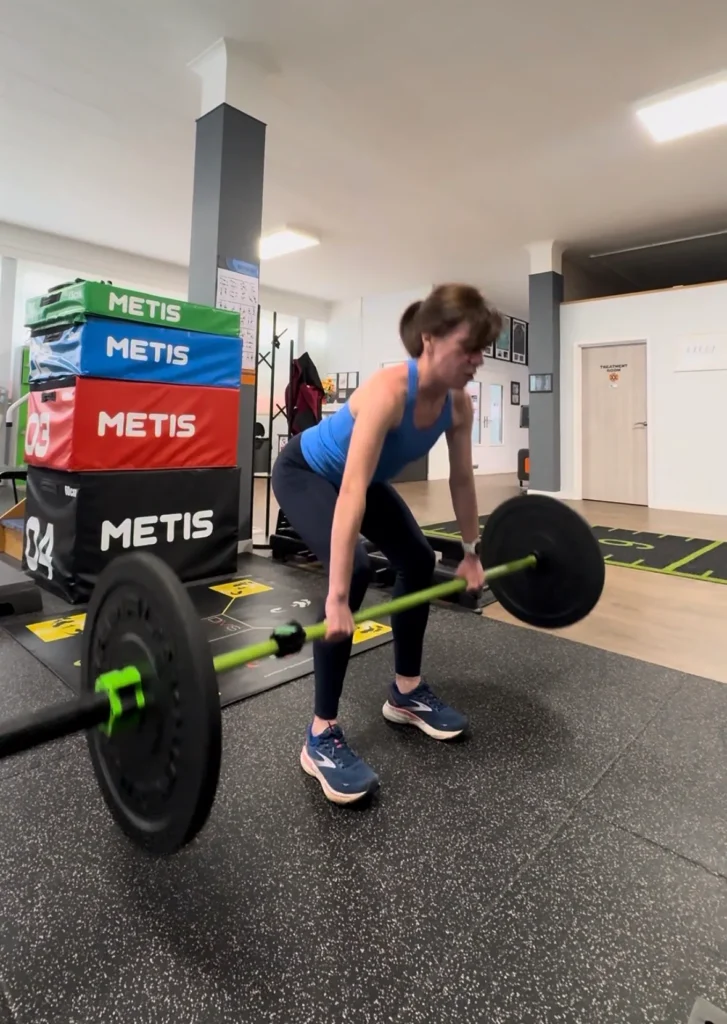
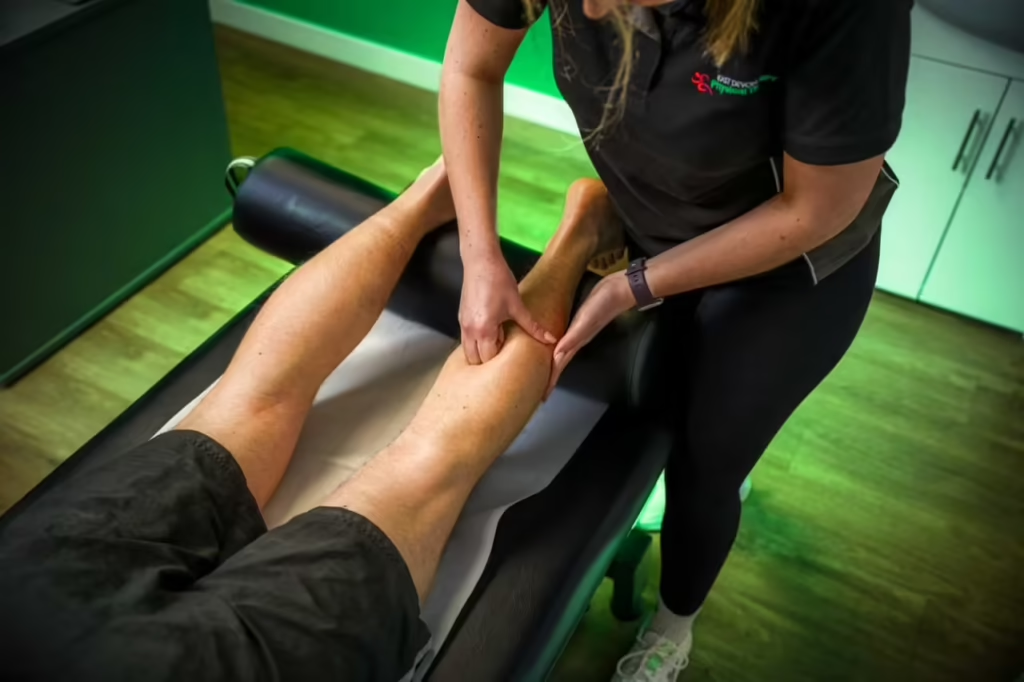
Sports Therapy is Not Just for Sportspeople
The name “Sports Therapy” can be misleading. You do not need to play sport or consider yourself athletic to see a Sports Therapist.
Sports Therapists are musculoskeletal specialists. Their degree training is concentrated on:
- Clinical assessment
- Muscles, joints, tendons and ligaments
- Injury and pain management
- Exercise rehabilitation
- Strength and movement
- Restoring physical function
How is Physiotherapy Different?
Physiotherapy is a broader healthcare profession covering musculoskeletal care alongside neurological, respiratory, cardiovascular and hospital-based rehabilitation.
This breadth is valuable, but it means a Physiotherapy degree is not focused entirely on musculoskeletal practice. A Physiotherapist’s practical MSK experience can depend heavily on their placements and subsequent career.
Sports Therapy training is concentrated on MSK assessment and rehabilitation from the outset.
Is a Physiotherapist more qualified?
Not simply because of the title.
A Physiotherapist may have exceptional MSK knowledge and experience. However, another may have spent much of their training or career in respiratory, neurological or hospital care.
Similarly, the knowledge and experience of individual Sports Therapists can vary.
We have previously employed Physiotherapists who did not have the MSK knowledge, clinical reasoning or rehabilitation experience required to work alongside our Sports Therapy specialists. We have also worked with Sports Therapists whose clinical knowledge and rehabilitation skills are exceptionally strong.
Professional title tells you which degree someone completed. It does not tell you how good they are at assessing and rehabilitating your condition.
What can our Sports Therapists treat?
- Back, neck and joint pain
- Arthritis and persistent pain
- Muscle, tendon and ligament injuries
- Hip and knee replacements
- Post-operative conditions
- Reduced strength and mobility
- Everyday and workplace injuries
- Running and sporting injuries
One clinical standard
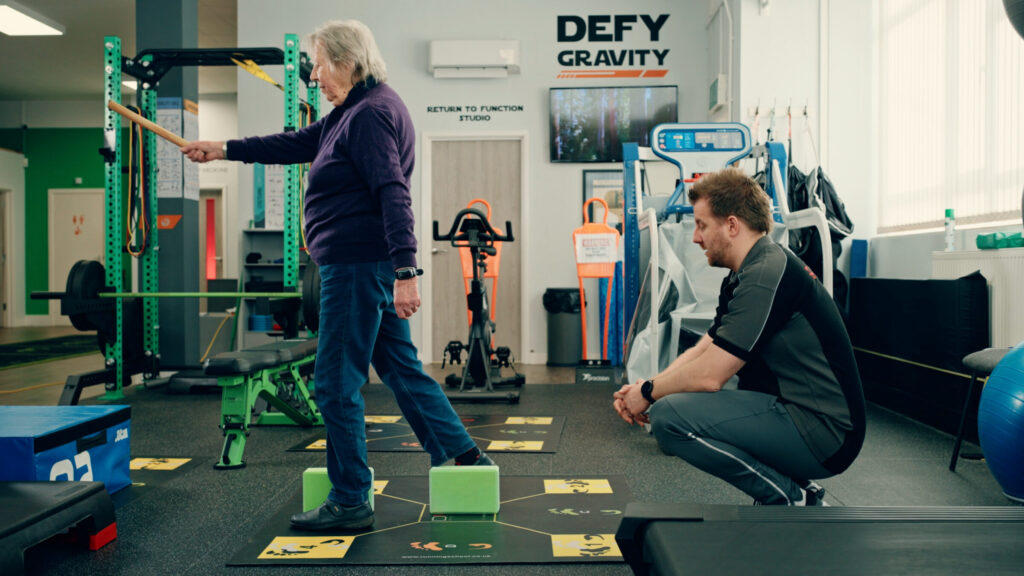
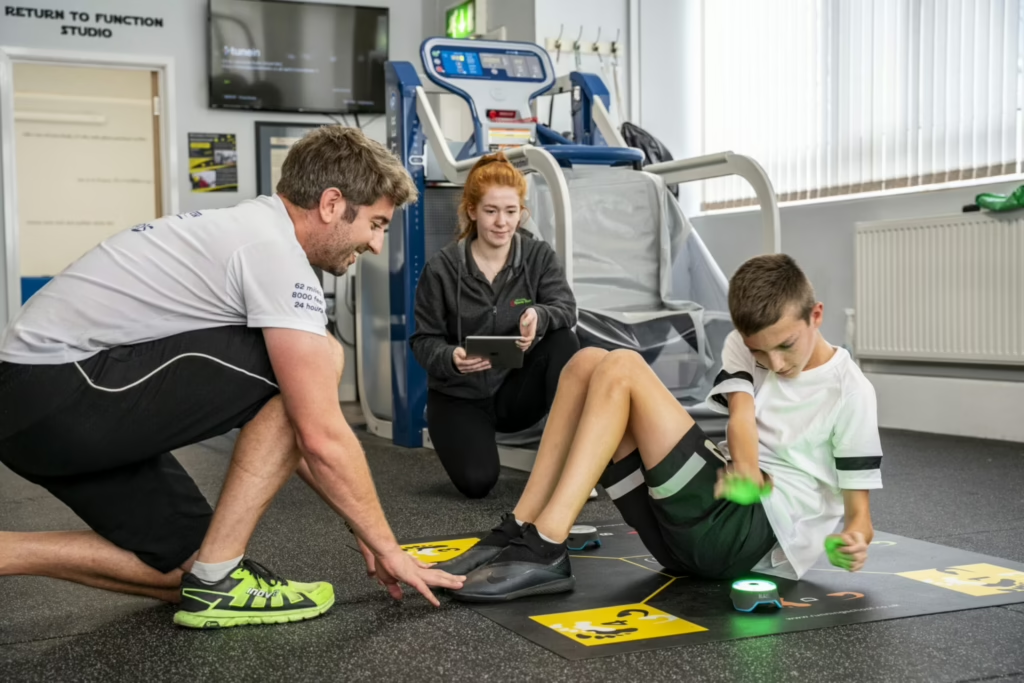
At East Devon Physical Therapy, our Sports Therapists and Physiotherapists work as one team.
Both can assess many of the same conditions, provide hands-on treatment, deliver progressive rehabilitation and use our specialist equipment when appropriately trained.
We recruit practitioners according to their MSK knowledge, clinical reasoning and rehabilitation ability—not their professional title.
Our team receives ongoing mentoring, discusses complex cases and works towards the same clinical standard.
Who Should You Book With?
For neurological or respiratory rehabilitation, a Physiotherapist with the appropriate specialist experience is likely to be the right choice.
For muscle, joint, tendon, ligament, post-operative or exercise-rehabilitation needs, an experienced Sports Therapist may be every bit as appropriate—and may have more directly relevant MSK training than some Physiotherapists.
You do not need to decide based on title. Tell us what you are experiencing and we will match you with the most suitable member of our team.
Choose the practitioner with the right knowledge and experience—not simply the professional title you recognise most.