
Sciatica
At East Devon Physical Therapy, we help people with sciatica understand what is driving their symptoms, reduce irritation, and get back to moving with more confidence and less pain.
Sciatica can be uncomfortable, worrying and frustrating. For some people it starts suddenly. For others it builds over time alongside back pain, stiffness or repeated flare-ups. Symptoms can range from mild irritation to sharp, burning or shooting pain that travels from the lower back or buttock down into the leg.
Whether your symptoms are recent or have been going on for some time, our role is to assess properly, explain clearly, and build a treatment plan that helps you make steady, meaningful progress.
What Is Sciatica?
Sciatica is a term commonly used to describe pain related to irritation or sensitivity of the sciatic nerve. It often involves symptoms travelling into the buttock, thigh, calf or foot, and may be linked with lower back pain as well.
People with sciatica may experience:
- Pain travelling from the back or buttock into the leg
- Burning, shooting or electric-type pain
- Tingling or pins and needles
- Numbness or altered sensation
- Weakness in the leg or foot
- Pain that is worse with sitting, bending or certain movements
- Difficulty walking, standing comfortably or sleeping
Not all leg pain is sciatica, which is why a detailed assessment is important.
Our Approach to Sciatica Treatment
At East Devon Physical Therapy, we do not just focus on the painful area. We look at the full picture: where symptoms are coming from, what is aggravating them, how the nerve and surrounding tissues are behaving, and what is most likely to help things settle.
Your treatment plan may include:
- A detailed assessment of the back, nerve symptoms and movement patterns
- Clear diagnosis and explanation
- Reassurance and advice on what is happening
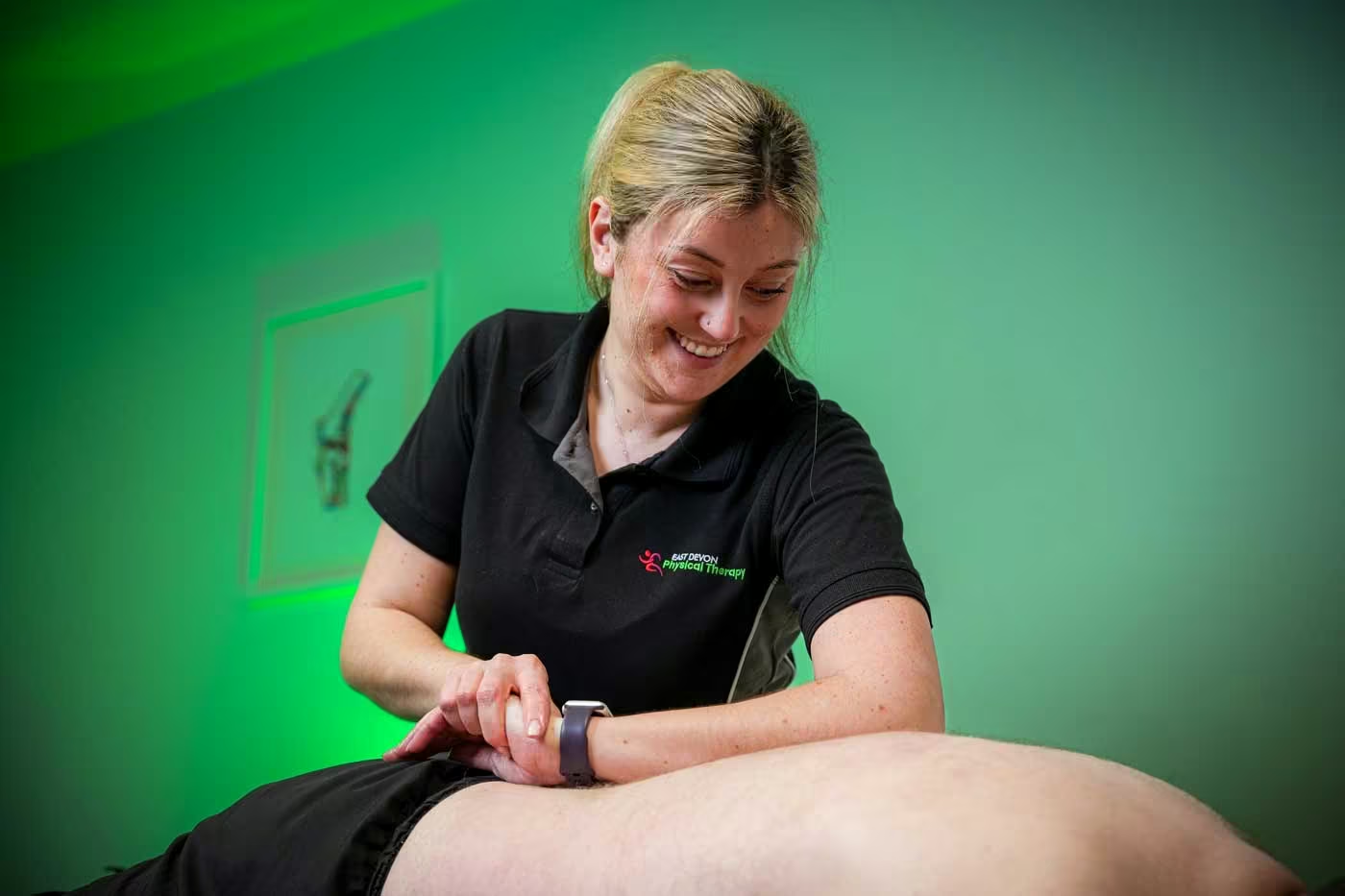
- Manual therapy where appropriate to help reduce stiffness and improve movement
- Targeted exercises to improve mobility, strength and control
- Advice on pacing, positions and activity modification
- Rehabilitation to improve confidence and function
- PBM laser therapy where clinically appropriate to help calm irritation and support recovery
- Support with returning to work, walking, exercise or sport
Treatment is always tailored to the individual. Some people need to calm their symptoms first. Others need a more progressive rehabilitation plan to restore strength, movement and confidence.
How Laser Therapy, Manual Therapy and Exercise Can Help
Sciatica often responds best to a combination of the right treatments rather than one single approach. PBM laser therapy may help reduce irritation and support symptom management in some cases. Manual therapy can be useful where stiffness, protective tension or reduced movement are contributing to the problem. Exercise and rehabilitation are often key to improving mobility, restoring strength and helping the back and nervous system tolerate movement more confidently again.
The goal is not just short-term relief, but helping you move better and reducing the risk of repeated flare-ups.
Why Sciatica Can Linger or Keep Returning
Sciatica can become persistent when symptoms are repeatedly aggravated, movement becomes more guarded, or the underlying drivers are not fully addressed. Pain often leads to fear of movement, reduced activity and loss of confidence, which can make the problem feel worse and harder to shift. This is why a clear explanation, the right treatment approach and a structured plan matter so much.
Why Choose East Devon Physical Therapy?
We combine expert clinical assessment with practical, evidence-based rehabilitation tailored to the person in front of us. Some people come to us in a lot of pain and need reassurance, symptom relief and a clear plan. Others need help progressing beyond repeated flare-ups and getting back to work, exercise or sport. We adapt treatment to your symptoms, goals and stage of recovery, rather than using a one-size-fits-all approach.
Common Goals We Help With
People often come to us because they want to:
- Reduce leg pain and nerve irritation
- Understand what is causing their symptoms
- Sit, walk and sleep more comfortably
- Improve mobility and movement confidence
- Return to work more comfortably
- Get back to exercise or sport
- Reduce repeated flare-ups
- Feel less worried about their symptoms
What Our Patient Say
“I called East Devon Sports therapy as I was suffering with extremely painful sciatica and hadn’t slept for four nights. The receptionist was so friendly and helpful and fitted me in the same day. When arrived I was met by Scott, he was very professional and explained everything to me. I have been amazed at the results after just one session I have hardly any pain and I have had a whole 8 hrs sleeps without be woken by pain. I can’t than you all enough. Excellent standards of hygiene as precautions in place I felt really safe.”
– Sara Lant, Axminster
What to Expect
Your first appointment gives us time to understand your symptoms fully, assess your back and nerve-related signs, and identify the key factors contributing to the problem. We will explain what we think is going on, what is likely to help, and how to start moving things forward safely. You will leave with a clear plan, not vague advice or generic exercises.
Local Sciatica Treatment Near You
Sciatica assessments take place at our Axminster clinic (Woodmead Road, EX13 5PQ), and we regularly help patients travelling from Seaton, Lyme Regis, Honiton, Sidmouth, Chard, Exeter and Bridport.
Book Your Sciatica Assessment
If sciatica is affecting your work, sleep, walking or day-to-day life, we are here to help. Book your sciatica assessment with East Devon Physical Therapy and let us help you reduce pain, restore movement, and get back to feeling more comfortable and confident again.